
Hello, my dear “Walking with Jesus” friends on this Friday,
Come again with me back to Jerusalem and the story we’re following of significant events in the decades following the resurrection and ascension of Jesus Christ. Yesterday we watched as Barnabas and Saul left Jerusalem with a young man, John Mark, who wanted to travel with them. They headed north to Syrian Antioch, a city much larger than Jerusalem. But size wasn’t the only distinguishing thing about Syrian Antioch. Its very name shows us that this Antioch was not in Israel but in Syria. I’m confident John Mark had never been that far from home. But Barnabas and Saul were returning to Antioch, where they had spent the past many months leading a spiritual movement. (Acts 11:26)
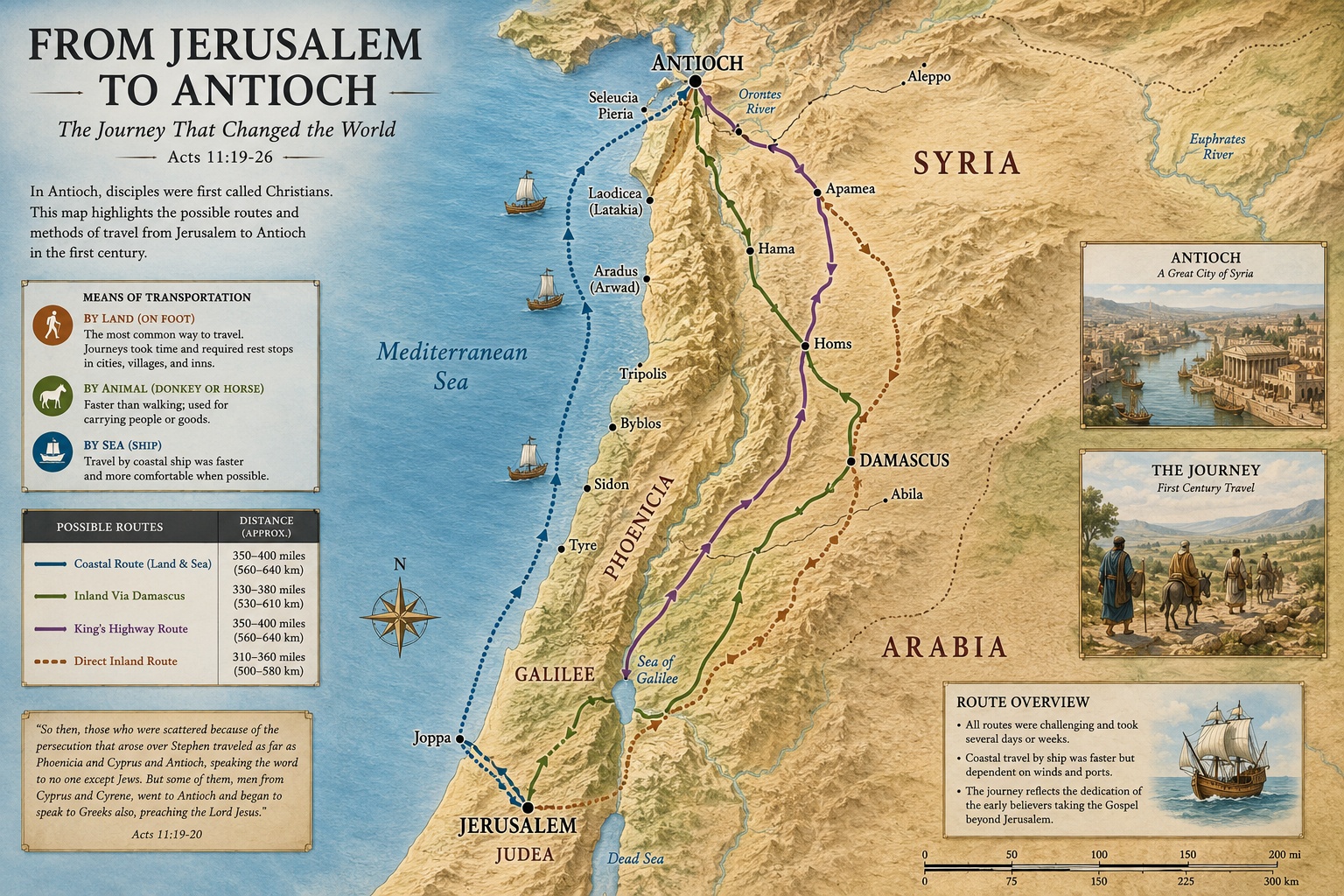
Syrian Antioch was primarily Gentile in population, but also very diverse with ethnic groups from Africa, the Greek provinces and even lands to the east of Israel. Antioch was the fourth most significant city in the entire Roman empire in those days and therefore a strategic city in the world. That may be why God was greatly working there, and followers of Jesus were first given the name “Christian” there in Syrian Antioch. (Acts 11:26)
Acts 13:1 gives us a picture of how the Christians in that city reflect the diversity and strategicness of Antioch: “Now in the church in Antioch there were prophets and teachers: Barnabas, Simeon called Niger, Lucius of Cyrene, Manaen (who had been brought up with Herod the tetrarch) and Saul.” Pause. Can you imagine what an eye opening, prejudice breaking, experience this was for young John Mark to begin acquainting himself with what God was doing among such a diverse and Gentile inclusive church of Jesus followers in Antioch? What a contrast to the Messianic Church in Jerusalem, where John Mark had grown up. I wonder how it compares to your church or the churches in your city?
While Dr. Luke doesn’t give us much detail about these leaders of the Antioch church, let’s pause to take a closer look and try to understand WHY God would want us to know them? What significance could it have 2000 years later where you and I live in our modern world? Normally when groups of people are named, the first named is the primary leader, followed by the others in descending order of importance. Don’t miss that friends, for this list tells us that in the Antioch church, at least at that moment, Barnabas was considered the primary leader and Saul the last among the leaders.
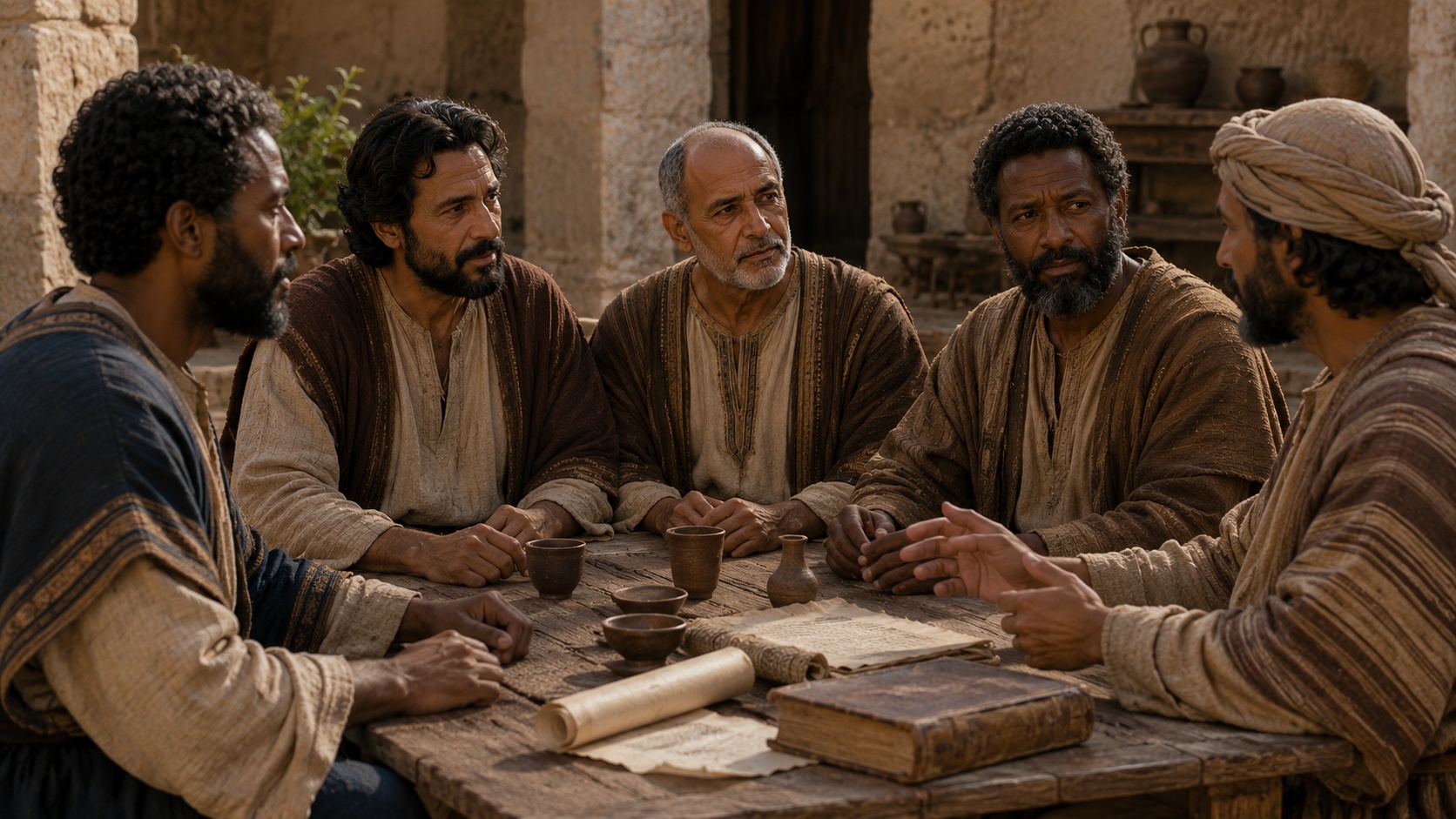
Next after Barnabas is a man named Simeon. Of course, Simeon was a fairly common Jewish name. You may remember the devout Simeon who celebrated the arrival of infant Jesus in the Temple area, and then he both prophesied and prayed over them. (Luke 2:25-35) But why would Dr Luke tell us that this Simeon in the Antioch church had a nickname “Niger”? That word, in the languages of the first century, was almost always used to indicate a very dark or even black color. While we know the Antioch church also had a leader from Cyrene, Africa, I’ve wondered if this Simeon may have been from Ethiopia or maybe even a Bedouin whose skin was darkened by his nomadic lifestyle in the hot, dry wilderness sun; or perhaps even a man from the eastern Arab region?
The name “Lucius of Cyrene” suggests Lucius was an African man, from the great, north African city of Cyrene, which is today in Libya. Cyrene had a large Jewish population and lots of trade & travel between Cyrene & Caesarea, Jerusalem, and Syrian Antioch in the north. You may recall as Jesus was led away from Governor Pilate and began His walk to Golgotha hill for crucifixion; Jesus stumbled under the weight of the crossbeam and soldiers grabbed a man out of the crowd and put the crossbeam on him. That man was identified as “Simon of Cyrene”. (Luke 23:26) Was Lucius an African businessman who traveled back and forth between Cyrene, Africa and Syrian Antioch, or had he made Antioch his home? So it appears in big, bustling, busy Antioch, the Holy Spirit had raised up an African named Lucius from Cyrene and also a dark or black man named Simeon, to be among the Spirit anointed teachers and leaders of the church in Syrian Antioch, where followers of Jesus were first called ‘Christians’. I celebrate that, do you, my friends?
Acts 13:1 also introduces us to a church leader named “Manaen”. But Luke adds a very interesting and important note which Bible scribes have put in parentheses as explanation of this man: “(who had been brought up with Herod the tetrarch)”. Knowing what you do about the ruthless king Herod clan, can you imagine the response of people whenever Manaen was introduced as one who has spent time with the Herod family? This title “Herod the Tetrarch” applies to King Herod Antipas, the king who had John the Baptist beheaded!! (Matt. 14:1-12) Of course we don’t know what relationship Manaen had with Herod, do we? Perhaps Manaen’s family was employed in some way by the Herod family? Even though John the Baptist’s execution would have been 25 years earlier, still I presume there was a certain stigma attached to Manaen’s name, whenever and wherever he was mentioned. I presume Manaen was an older man in the Antioch church.
Now think about this remarkable group of five teacher/prophets leading the church of Jesus followers in Syrian Antioch! Barnabas, a Levite, Messianic Jew from the island of Cyprus; (Acts 4:36), Simeon, a man with very dark skin, perhaps a Bedouin; Lucius, an African from Cyrene; Manaen who had grown up with Herod Antipas, the murderer; and Saul the passionate Pharisee turned evangelist!
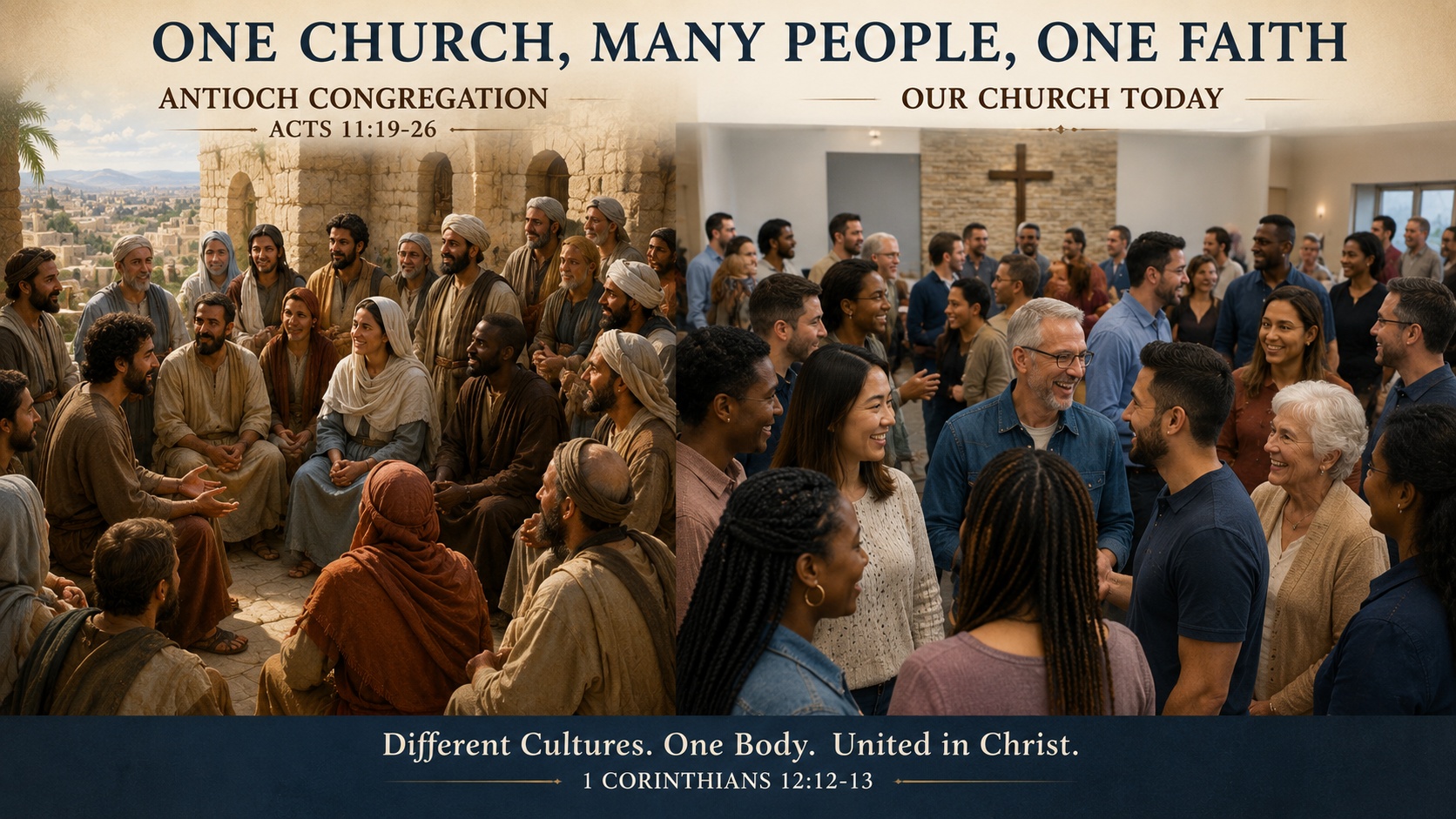
WOW! What a group. Can you imagine how that diverse leadership team was viewed by the rapidly growing church in Syrian Antioch? And what about the citizens of Antioch who had no interest in Jesus but were fascinated by this leadership team?
Remember it was the people of Antioch who named the followers of Jesus “Christians”! And what about the Messianic Jewish followers of Jesus in Jerusalem? Or the Gentile Christians in Caesarea or the Samaritan Christians in Samaria? Do we see what God was doing, my friends, in those years as the Gospel reached the various people groups in and around Israel? But what about the far regions of the Roman empire?
It appears these five men were in a leadership worship meeting, seeking Jesus’ guidance for this rapidly growing spiritual movement in Antioch, when suddenly they sensed a very clear instruction from God. Luke describes it this way: “While they were worshiping the Lord and fasting, the Holy Spirit said: ‘Set apart for Me Barnabas and Saul for the work to which I have called them.” (Acts 13:2)

Have you ever been with a group of other Christians, seeking guidance from God, and suddenly you sensed God responded with clear direction? What did you do? Tomorrow, we’ll rejoin them in this prayer meeting to see what God did! As you may know it changed the world in which you and I live today!
Some powerful reflection notes are available at the link below for your further study, as is a wonderful worship song and let’s meet here tomorrow to watch what God did next!
Today’s Scripture: Acts 13:1, 2.
Choose below to read or listen.
 |  |
Bible images provided with attribution to www.LumoProject.com.
Have a comment or question about today’s chapter? I’m ready to hear from you, contact me here.

Pastor Doug Anderson
“Let us run with perseverance the race marked out for us, with our eyes fixed on Jesus…” (Heb. 12:1,2)
Archived back issues of “Walking with Jesus” and other resources are available by clicking here to open our ‘home page’ (or go to HOME at upper right of this page).
Share with friends. Subscribe below for daily “Walking with Jesus”.