
Good morning my “Walking with Jesus” friends,
Would you agree that perhaps the most significant aspect of any Christian worship service, anywhere in the world, is the celebration of what many call ‘The Lord’s Supper”? As I’m sure you know that experience has dramatic differences depending on the part of the world where it is celebrated, or the denomination or particular branch of Christianity.
We have a brief record of that experience when Jesus led His disciples through it, in the Gospels of Matthew 26:26-29; Mark 14:22-25 and Luke 22:14-22. Interestingly, John the beloved disciple, who we know was reclining right next to Jesus at the table, (John 13:23) does NOT include that portion of the evening in his 5-chapter account of what took place that night in the Jerusalem upper room!
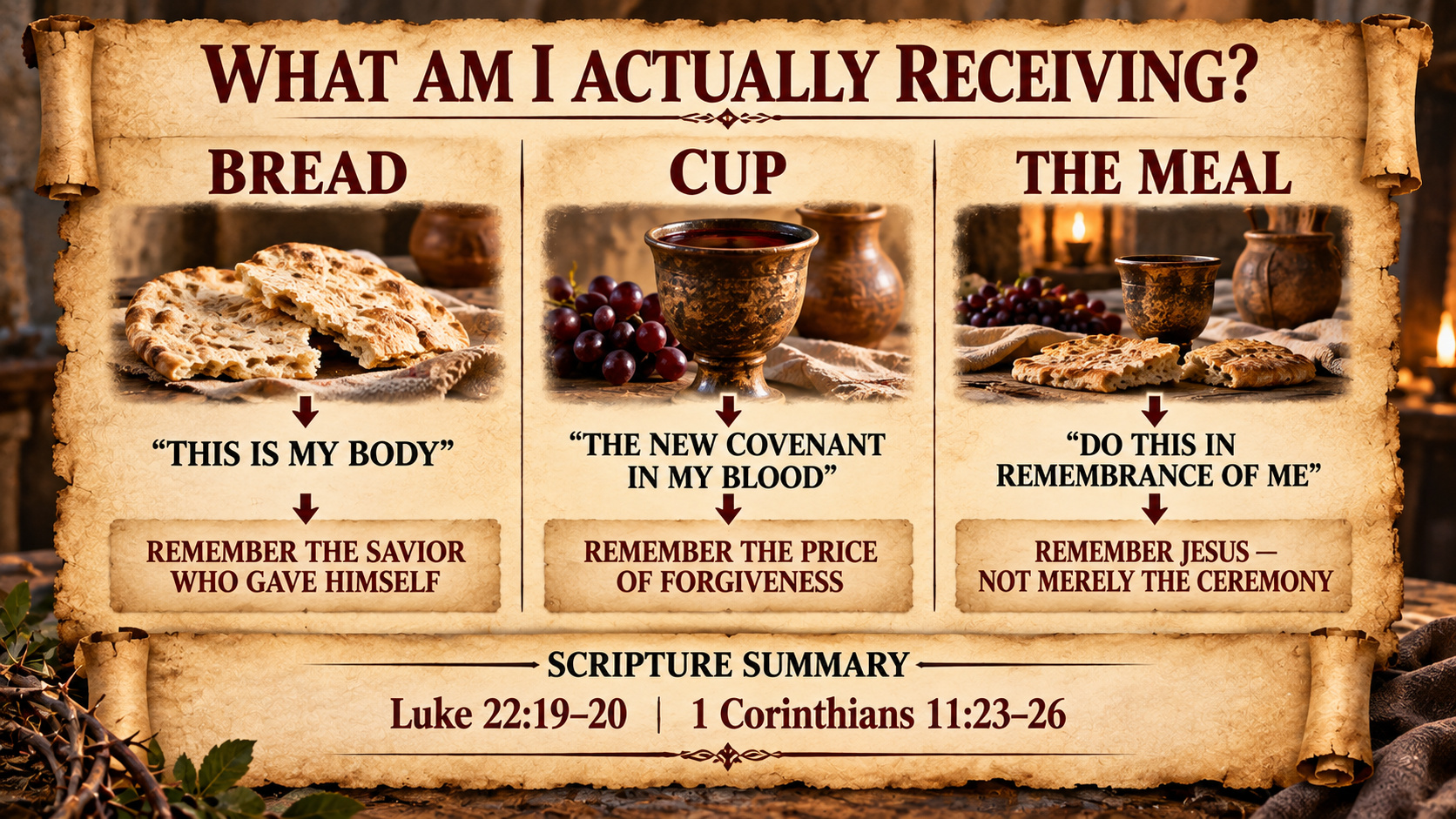
Yesterday we looked at the apostle Paul’s record of that event which Paul declares he had received directly from resurrected and ascended Jesus. (1 Corinthians 11:23-29) Because this sacred experience is so important to ALL Christians around the world, would you join me again as we seek to understand more fully the SIGNIFICANCE of this experience which is unique to followers of Jesus Christ.
No other religion in the world claims anything similar to this remarkable experience, but have you noticed very few people really understand it or cherish this experience with the reverence it deserves?
As you know Jesus did TWO things that evening, as part of the Passover meal, which had for nearly 1500 years not only celebrated God’s rescue of the Hebrew slaves from Egypt, but pointed forward to God’s Messiah, who would provide deliverance from sin bondage for all people.
Jesus initiated what we call “Communion” or “The Lord’s Supper” as He broke bread and distributed it to His disciples inviting them to eat it and then later repeat this process with their disciples in the future.
Secondly, Jesus shared a cup of wine with His disciples calling it the cup of the New Covenant in His blood, and again He instructed them to do the same in the future with their disciples. Both of those acts were a normal part of the Passover meal, but on that night, Jesus personalized them both as pointing to what was about to happen to HIM in His crucifixion.
That evening in the upper room, the disciples could not have imagined either what was about to happen to Jesus in His horrific death, nor what it would mean for them and all humanity in providing redemption from sin.
As Jesus took the bread that Passover evening, it was unleavened bread, we call it Matzah. From the days of Moses, the Jews had been instructed to always use Matzah in this Passover meal because that’s the type of bread those slaves used in their hurry to prepare to leave Egypt. (Ex. 12:12-20)
But do you remember yeast, in the Bible, often represented “sin” or false teachings. (1 Cor. 5:6-8; Matt. 16:6,12) As Jesus took the matzah that evening and declared that it represented HIM, Jesus’ sinlessness was an important part as it qualified Him to be our perfect atonement sacrifice.
There were three pieces of unleavened bread in the Seder meal, the middle one was broken and part of it hidden for later in the meal when they celebrated God had not forgotten them and they were being rescued by a God sent Savior! It was while Jesus was breaking that bread that He declared “Take and eat, this is My body”, (Matt. 26:26) and Jesus distributed it to the disciples to eat.
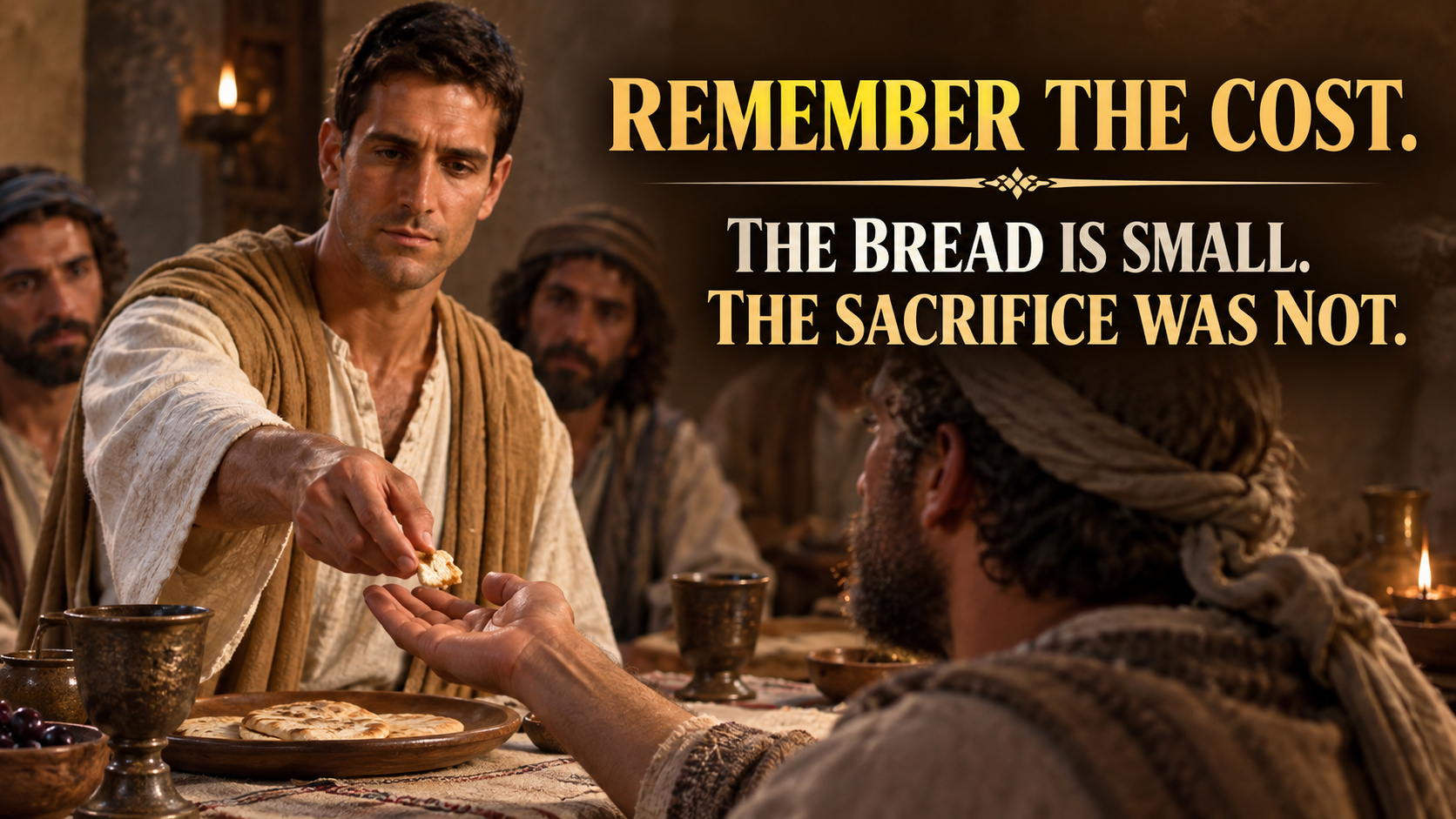
A few hours later Jesus’ body was horribly beaten, flogged, and nailed to a cross. The anger and rejection of humanity; and the wrath of God poured out upon Jesus for the sins of the world, left Jesus’ body nearly unrecognizable.
The prophet Isaiah had predicted this horrific experience for the Messiah with these words: “He took up our pain and bore our suffering, we considered Him punished by God, stricken by Him. He was pierced for our transgressions, He was crushed for our iniquities; the punishment that brought us peace was upon Him, and by His wounds we are healed…The LORD laid on Him the iniquity of us all...” (Is. 53:4-6)
As Jesus invited His disciples to eat the Passover bread He tore with His own hands, they were called to recognize the symbolism and significance of the shredding of His body through the wrath of God poured out on Jesus, as He bore our sins on the cross.
As we receive the bread, whatever that bread is in our commemoration of “The Lord’s Supper”, anywhere in the world, we are memorializing the sacrifice of Jesus as He earned the forgiveness of our sins through His terrible death. We are declaring that we will not be punished by God as He was, when our sins are forgiven, because of Jesus’ suffering and death.
There were four cups of wine in the Passover meal that night with Jesus and His disciples. The third cup, often called the cup of Redemption or Deliverance, celebrated that the lamb’s blood on the doorframes of their homes was honored by God’s promise and the angel of death passed over.
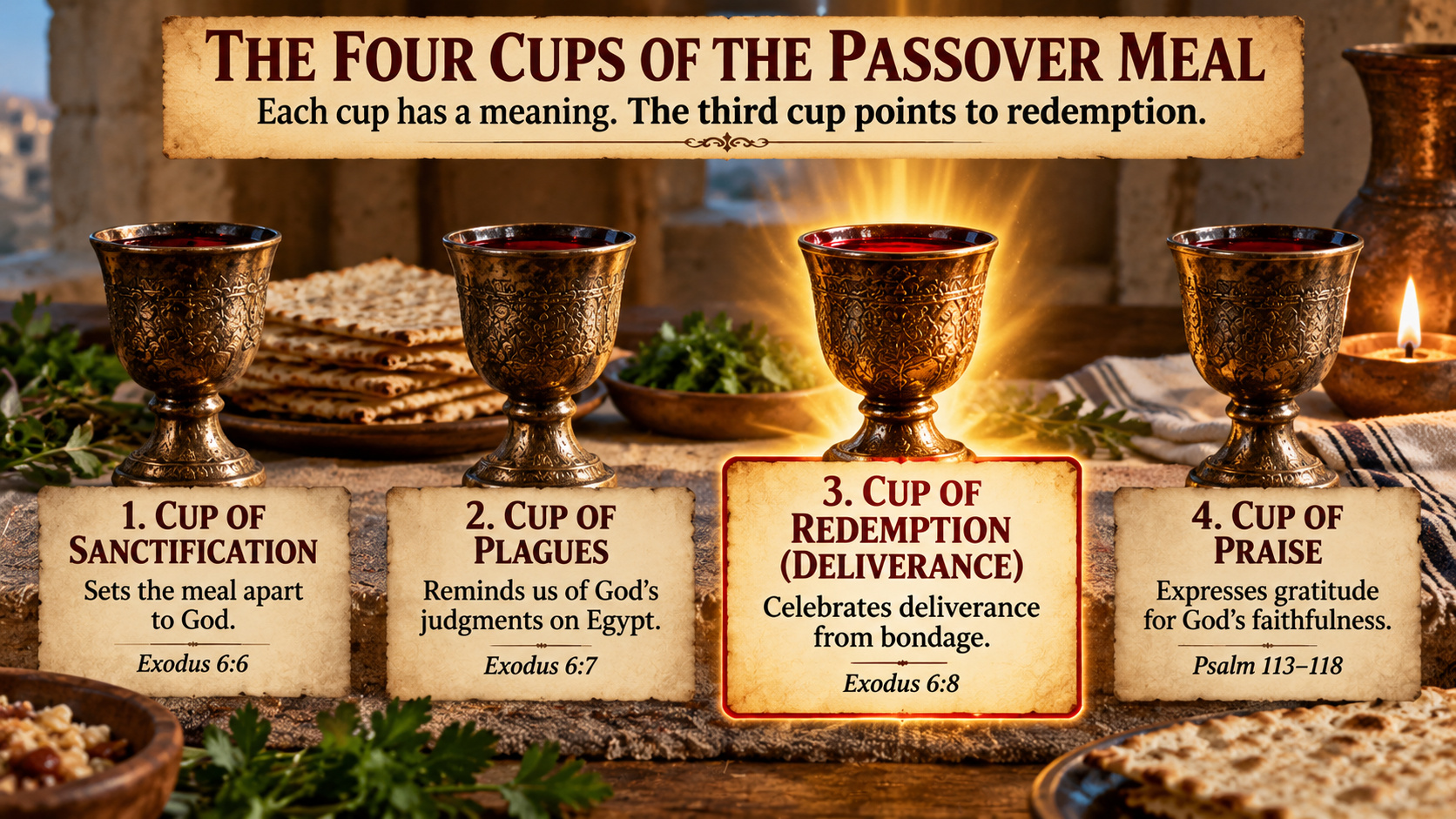
As Jesus would shed His blood on the cross, as the perfect Lamb of God, His blood would be accepted by God as payment sufficient for the pardon of our sin and our deliverance from our sin condemnation.
Jesus said something very significant as He led that cup before the disciples, inviting them to drink. “This cup is the new covenant in My blood.” (1 Cor. 11:25) All Jews knew the first covenant had been with Moses at Mt Sinai, when the animal sacrificial blood was sprinkled over the people as they vowed to keep covenant with God by obeying His laws. (Exodus 24:8)
But Jesus was declaring that His blood would provide an everlasting, sin forgiven covenant relationship for any person with Holy God! As you and I drink the cup as we participate in the “Lord’s Supper”, anywhere in the world, we are declaring our confidence in the truth of Jesus’ promise and the accomplishment of our justification as His shed blood is applied by God to our sinfulness.
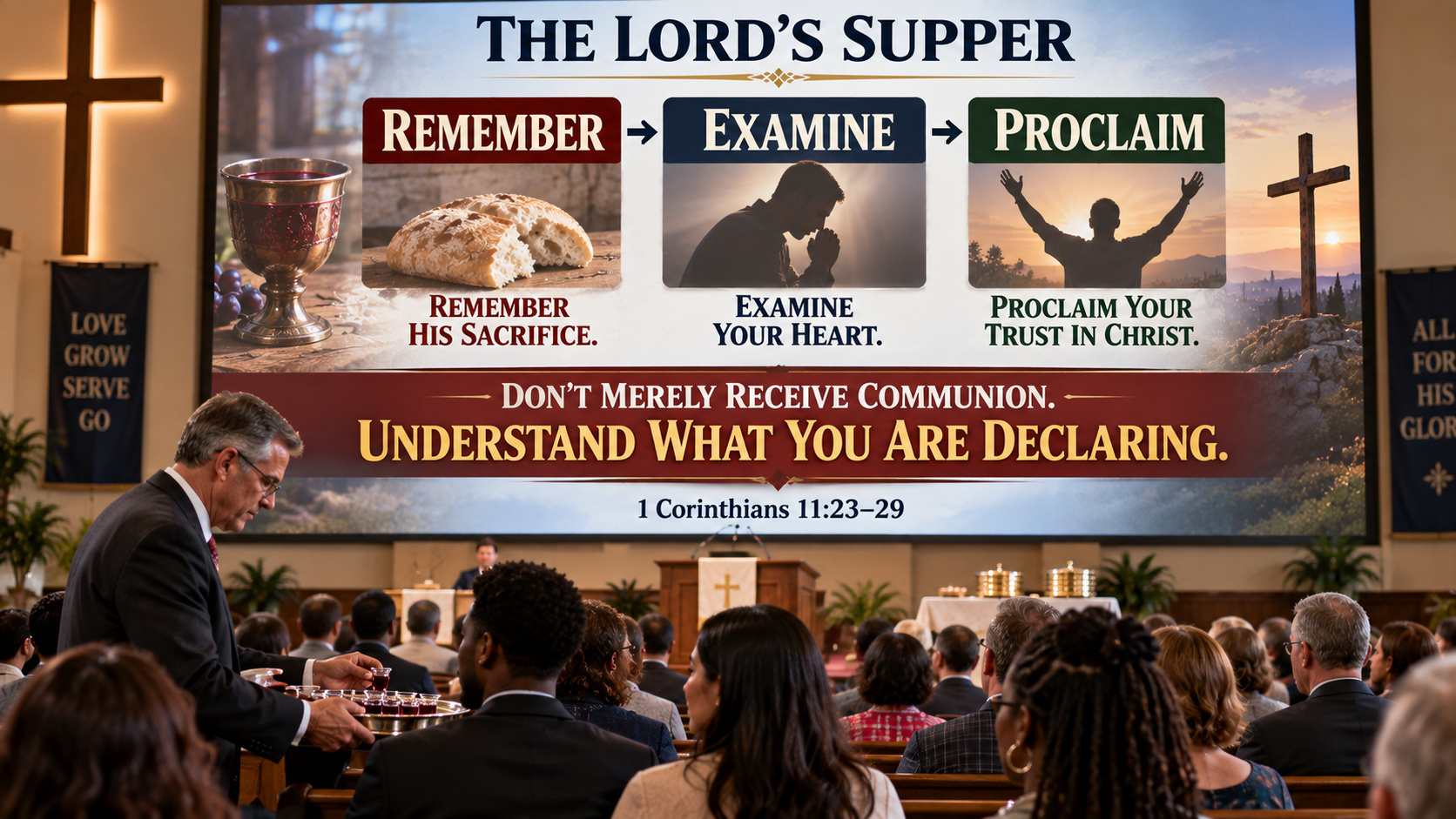
Do we understand, my friends, why Paul wrote: “So then, whoever eats the bread or drinks the cup of the Lord in an unworthy manner will be guilty of sinning against the body and blood of Jesus Christ, our Savior.” (1 Cor. 11:27)
This is why “the Lord’s Supper/Communion” is not appropriate for people who have NOT yet trusted Jesus Christ to be their Savior or repented of their sin before God. It is also not appropriate for Christians living in rebellion against Jesus through unrepentant sin, as Paul dealt with in 1 Corinthians 5.
On my such wonderful things for us to ponder today my friends and thank Jesus for, and that’s why we have the “lessons learned” study notes ready for you at the link below, and a glorious worship song. And I’ll be ready for you here tomorrow.
Today’s Scripture: 1 Cor. 11:23-29
Choose below to read or listen.
 |  |
Have a comment or question about today’s chapter? I’m ready to hear from you, contact me here.

Pastor Doug Anderson
“Let us run with perseverance the race marked out for us, with our eyes fixed on Jesus…” (Heb. 12:1,2)
Archived back issues of “Walking with Jesus” and other resources are available by clicking here to open our ‘home page’ (or go to HOME at upper right of this page).
Share with friends. Subscribe below for daily “Walking with Jesus”.