
📘 LESSONS LEARNED
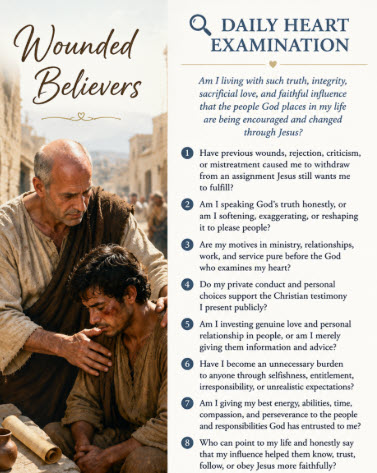
A life makes a lasting difference when followers of Jesus faithfully communicate God’s truth, serve with pure motives, pour genuine love and personal sacrifice into people, and celebrate transformed lives as their greatest earthly and eternal reward.
💥 SINS / FAILURES
- Allowing previous wounds, rejection, mistreatment, or persecution to silence our witness for Jesus (1 Thessalonians 2:2; 2 Timothy 1:7–8)
- Changing, softening, exaggerating, or manipulating God’s truth in order to gain approval or avoid opposition (1 Thessalonians 2:3–5; Galatians 1:10)
- Serving people from impure motives such as recognition, influence, money, control, or personal advantage (1 Thessalonians 2:3–6; Philippians 2:3–4)
🏆 SUCCESSES / SPIRITUAL GROWTH
- Continuing to share the Gospel courageously even after suffering, rejection, humiliation, or opposition (1 Thessalonians 2:2; Acts 16:22–40)
- Communicating God’s truth honestly, clearly, and without manipulation or false promises (1 Thessalonians 2:3–4; 2 Corinthians 4:2)
- Living with integrity, authenticity, and motives that can withstand God’s examination (1 Thessalonians 2:4; Psalm 139:23–24)
🧭 LEADERSHIP DYNAMICS
- Godly leaders measure ministry by faithfulness to God’s truth rather than public approval or immediate visible success (1 Thessalonians 2:4; 1 Corinthians 4:1–5)
- Credible leadership requires harmony between the message proclaimed, the motives of the heart, and the conduct of daily life (1 Thessalonians 2:3–6; Titus 2:7–8)
- Healthy leaders refuse to manipulate people through flattery, deception, pressure, fear, or hidden agendas (1 Thessalonians 2:5; 2 Corinthians 4:2)
🌍 EKKLESIA — THE CHURCH PERSPECTIVE
- The Ekklesia advances when ordinary believers courageously proclaim God’s truth despite opposition, suffering, and cultural pressure (1 Thessalonians 2:2; Acts 4:29–31)
- The Church must never substitute entertainment, manipulation, marketing techniques, or people-pleasing for the truth of the Gospel (1 Thessalonians 2:3–5; 2 Timothy 4:2–4)
- Healthy congregations are formed through both faithful teaching and genuine life-sharing relationships (1 Thessalonians 2:7–8; Acts 2:42–47)